Turčiansky Svätý Martin · 1910 – 1951

Lipa

Folk Industry · Joint-stock Company
Guardian of Slovak Embroidery and Folk Craft

Announcement of the opening of Lipa's permanent exhibition and shop in Bratislava, Námestie Republiky 38, Živena, 1928
Lipa advertisement, folk industry joint-stock company in Turčiansky Sv. Martin with a branch in Bratislava, Živena, 1928

Živena · Vol. XVIII · 1928

A society for the protection and promotion of folk art

1910. In Turčiansky Svätý Martin, a company takes shape with an unusual idea: to sell Slovak embroideries not as curiosities from the village, but as proper goods, with a quality guarantee and a proud label reading made by a Slovak woman. It is called Lipa.

Behind it lies a story that had begun twenty years earlier. At an exhibition of Slovak embroideries in Martin in 1887, interest was enormous and sales were brisk. Pavol Socháň and others immediately tried to establish a permanent organisation, but one attempt after another came to nothing. The right person did not arrive until two decades later: Elena Maróthy-Šoltésová, head of the Živena society, who in 1909 pushed through the decision to create Lipa. She merged cultural conviction with a working business model, something nobody had managed before.

From the very first day, women held the deciding voice in Lipa: in the management, on the board and among the shareholders. Lipa was a deliberate women's project: it protected women's work, spread their craft, and built their economic independence at a time when none of that could be taken for granted.

"Their chief aim was for the educated world to learn what an interesting nation lives here, beneath the Tatras, how deeply it is imbued with an innate feeling for beauty, and how tastefully it adorns its clothing and homes with handwork."
— a Lipa shareholder, 1912

Founding Lipa was not only a commercial act, it was also a political one. The Izabella society, a Hungarian organisation active at the same time, collected Slovak folk embroideries and sold them to the world as Hungarian or Austro-Hungarian works. In Slovak circles this aroused fierce indignation: the creations of Slovak women were being taken without a name, without an origin. Lipa was meant to be the direct answer, selling under a Slovak banner, with proud acknowledgement of the makers.

"The whole world must take note that these are our works, ours and ours alone, Slovak and Slovak, not foreign, not hongrois, not ungarisch, and least of all not magyar."— Národnie noviny, no. 44, 15 May 1913

The first goods went on sale in November 1910. The day-to-day running fell to Anna Šenšelová (1882 Očová – 1976 Martin), at various points shop manager, administrator, secretary and bookkeeper, whose studies in Prague had been funded by Živena and whose name would remain inseparable from Lipa.
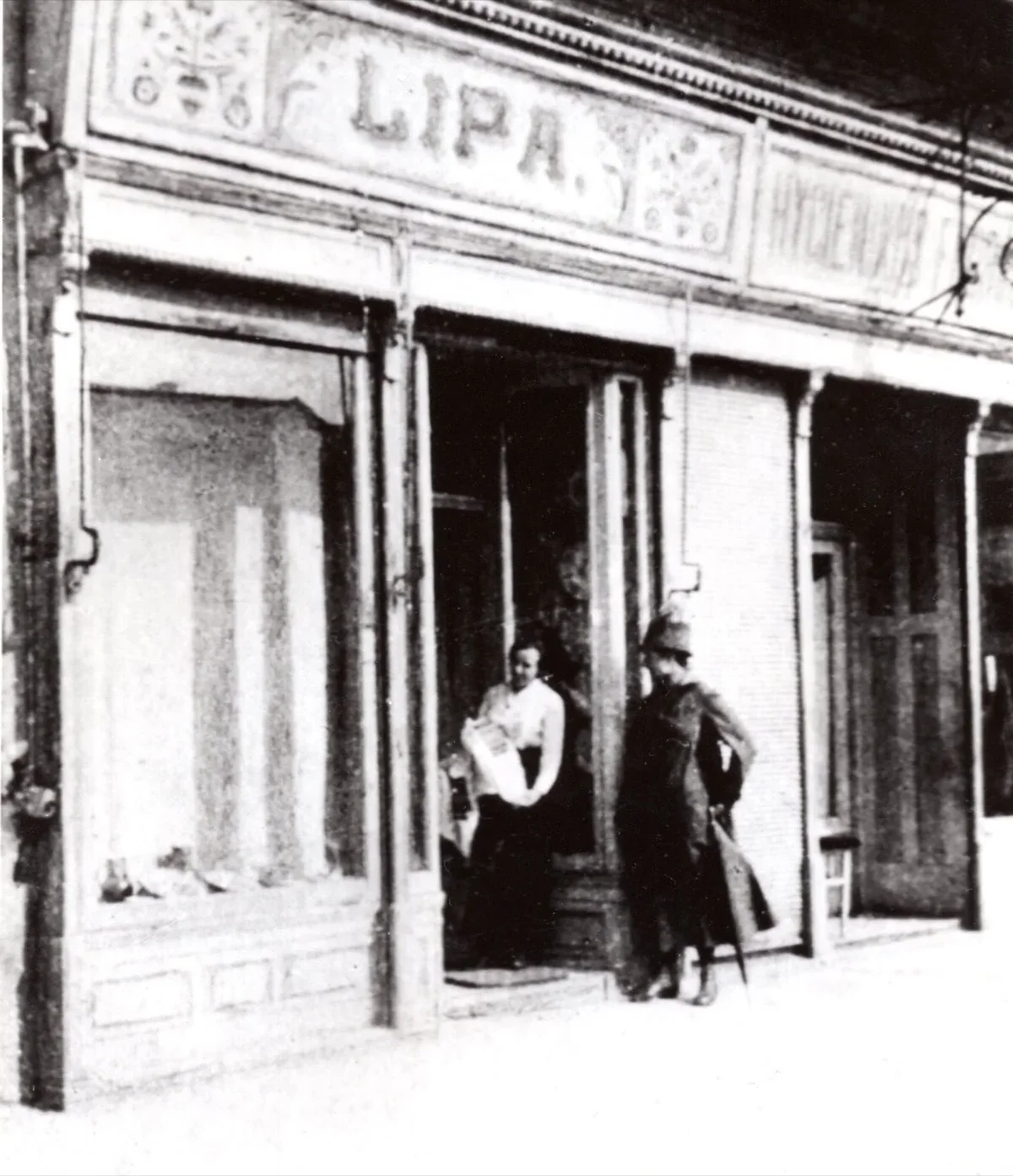
Lipa in Pictures.

Historical photographs, promotional materials and samples from Lipa's activity. The collection continues to grow.

A wealth of goods.

Lipa covered almost the entire spectrum of folk artistic production, from embroideries and lace through folk costume accessories and household textiles to books and souvenirs.

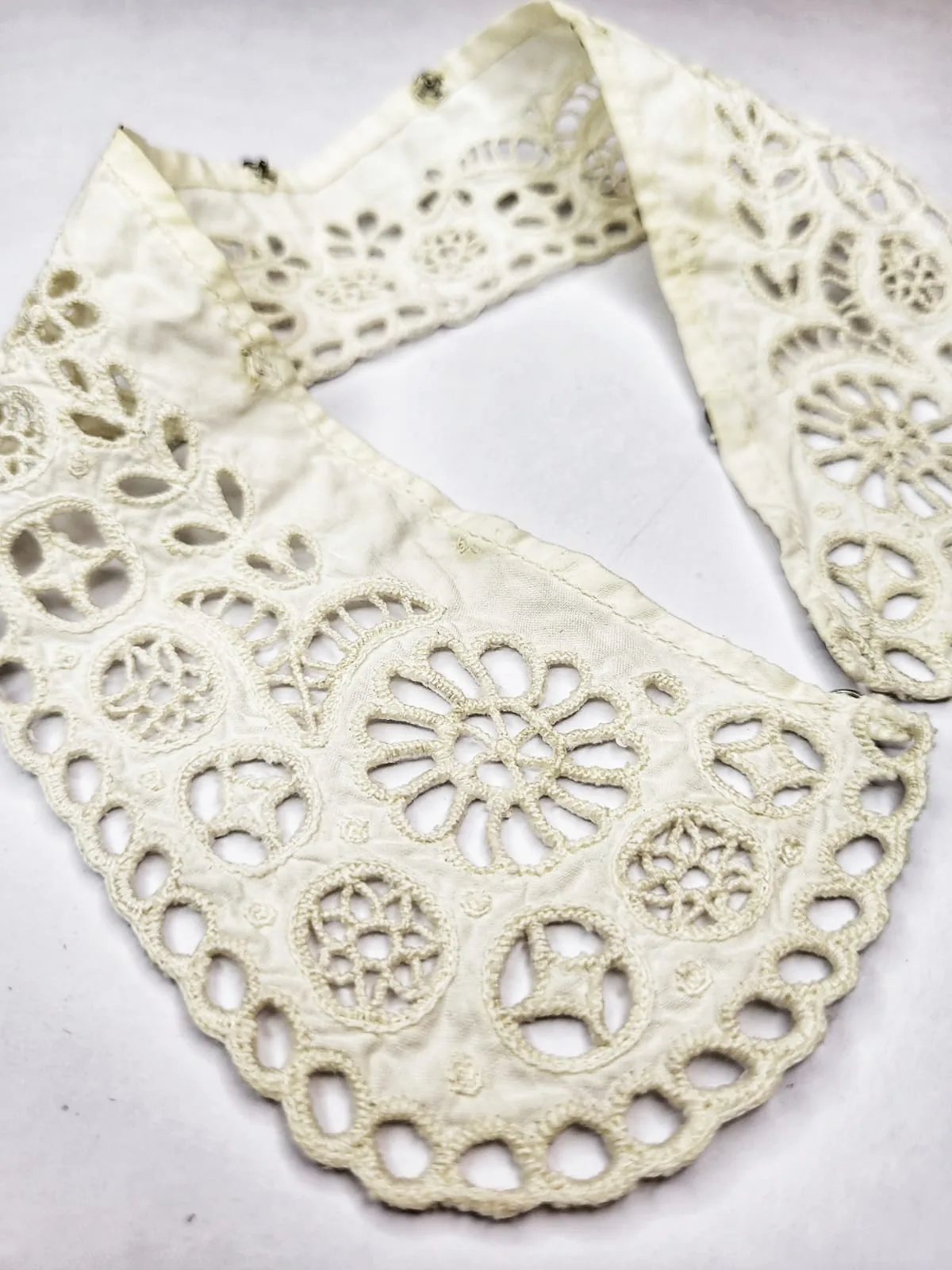
Bobbin lace collar from Anna Šenšelová's collection

Embroideries and lace

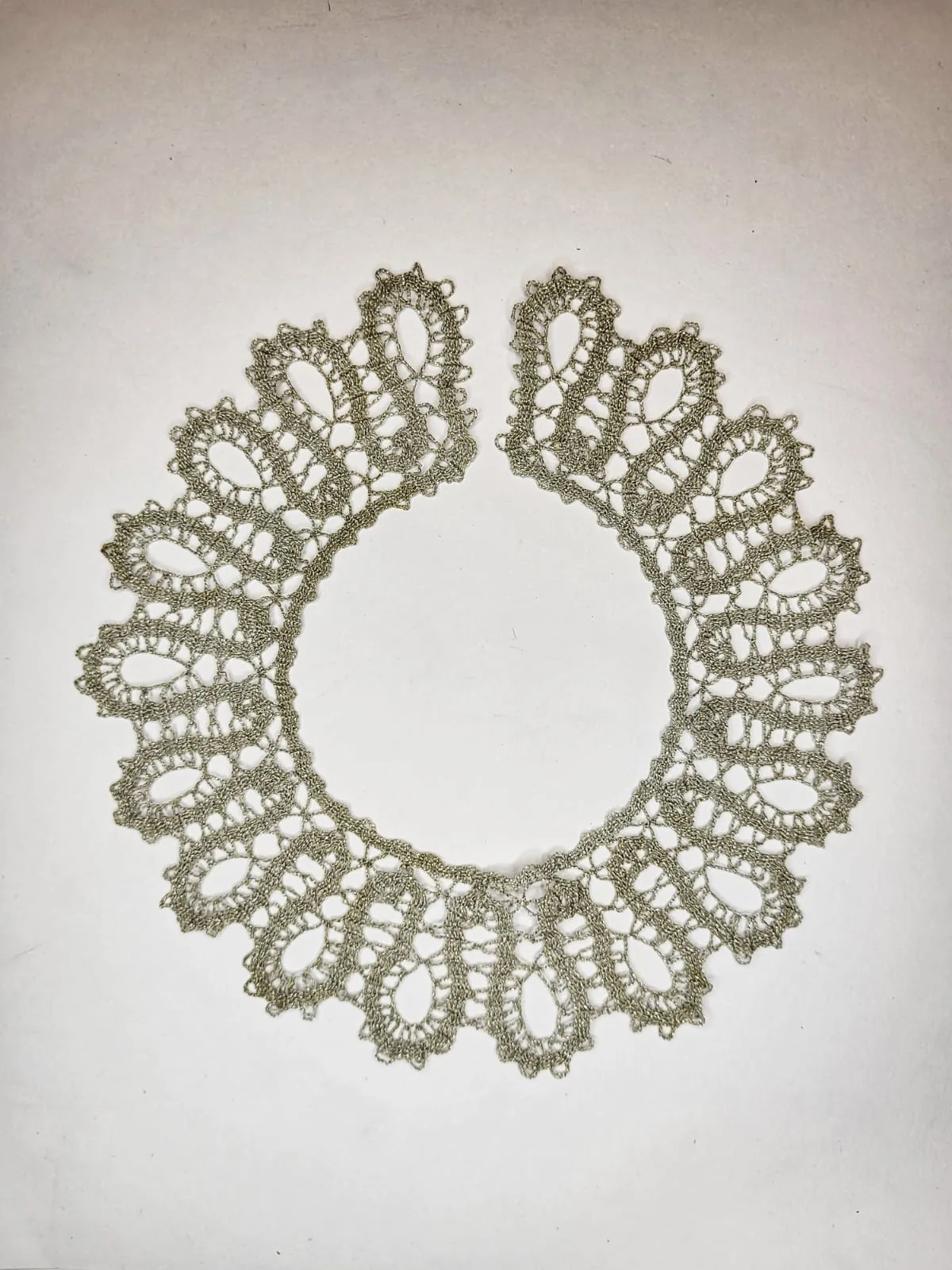
The core of the offer was embroideries from western and central Slovakia: tulle work from the Bratislava county, embroideries from the Nitra county, patterns from Slatina, Detva and Očová in the Zvolen county. Slovak and bobbin lace also featured throughout.

Silver bobbin lace collar from Anna Šenšelová's collection

Women's and children's clothing

Lipa sold decorative items for women's clothing: blouses, kimonos, caps, scarves, parasols and gold-embroidered belts. For children there were aprons, bonnets, swaddling bands and dresses, both ready-made and cut to pattern.

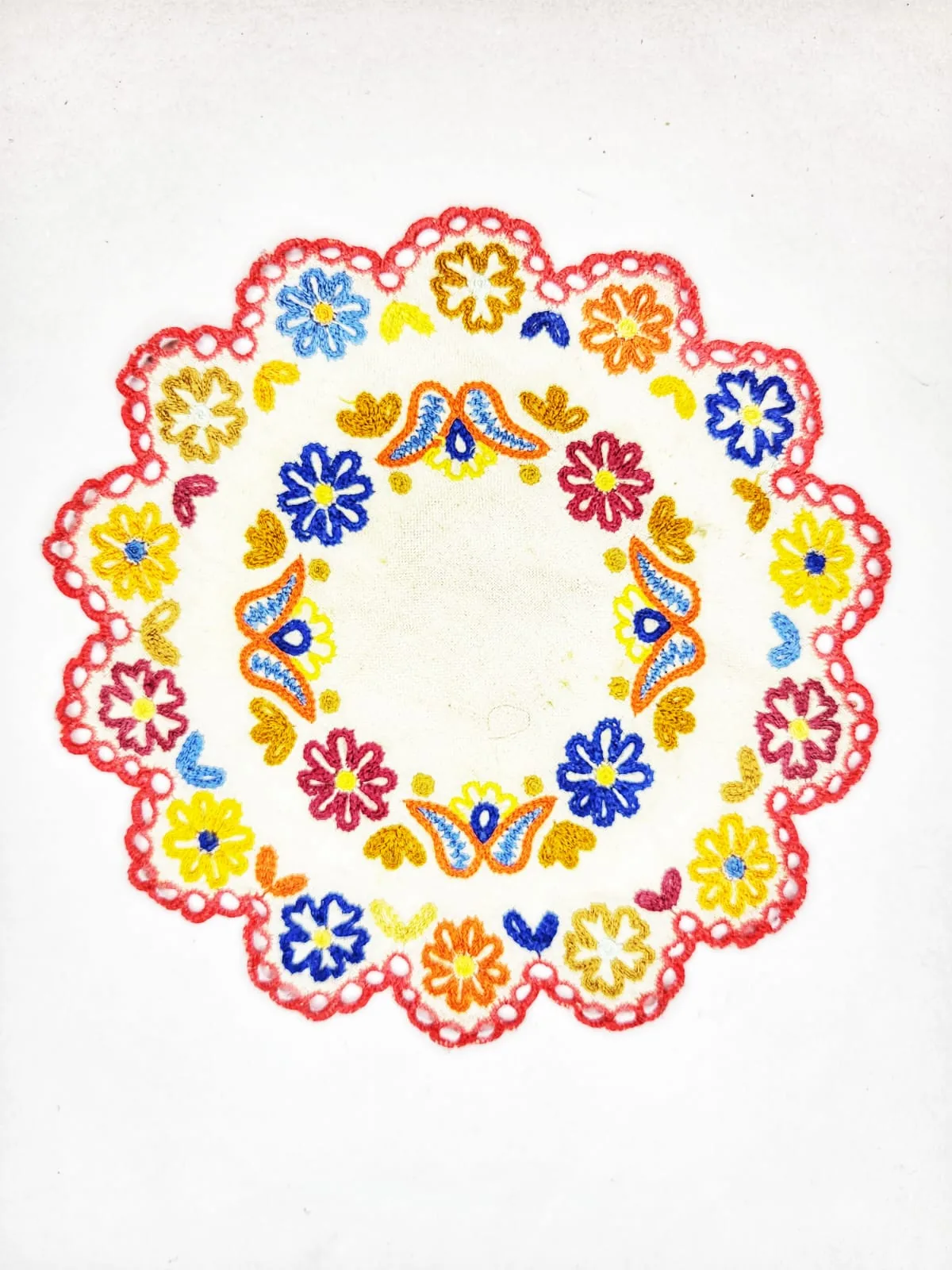
Embroidered cloth from the Detva region, from Anna Šenšelová's collection

Home textiles and accessories

Curtains, table sets, bed covers, rugs and other household textiles. For men there were woodwork and basketry goods, toys and ceramics, including products from the Modra workshop.

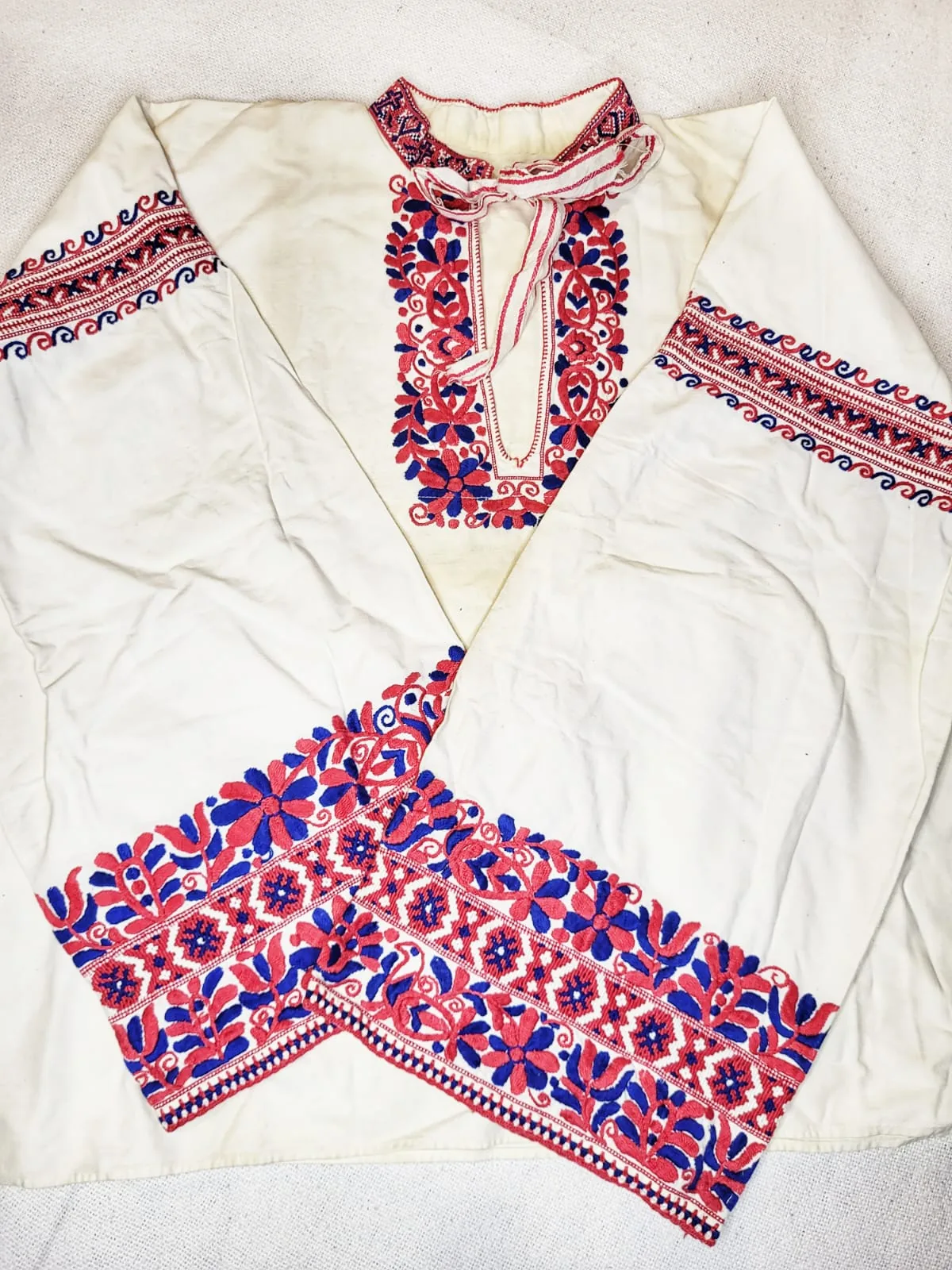
Embroidered shirt from Anna Šenšelová's collection

Folk costumes and national style

Lipa was careful to preserve the authentic folk costume and adapt it for modern women's fashion. It produced distinctive robes, blouses and garments in the original Slovak style.

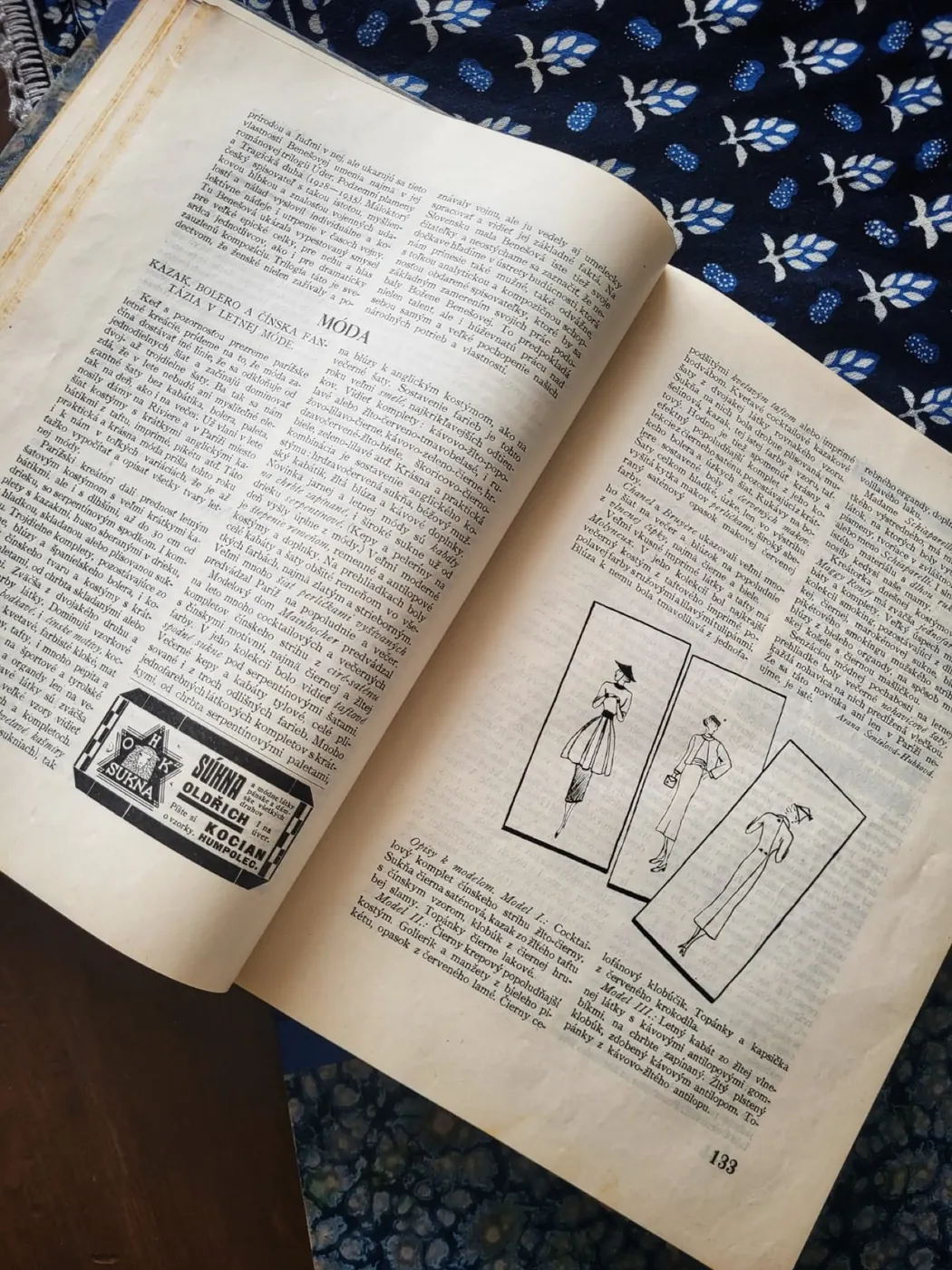
Módna rubrika Lipy v časopise Živena — návrhy odevov s uplatnením slovenských výšiviek, 1913

Fashion column in Živena

From 1913, Lipa ran a regular fashion column in Živena, with designs and a survey of how Slovak embroideries and lace were being used in fashionable dress.

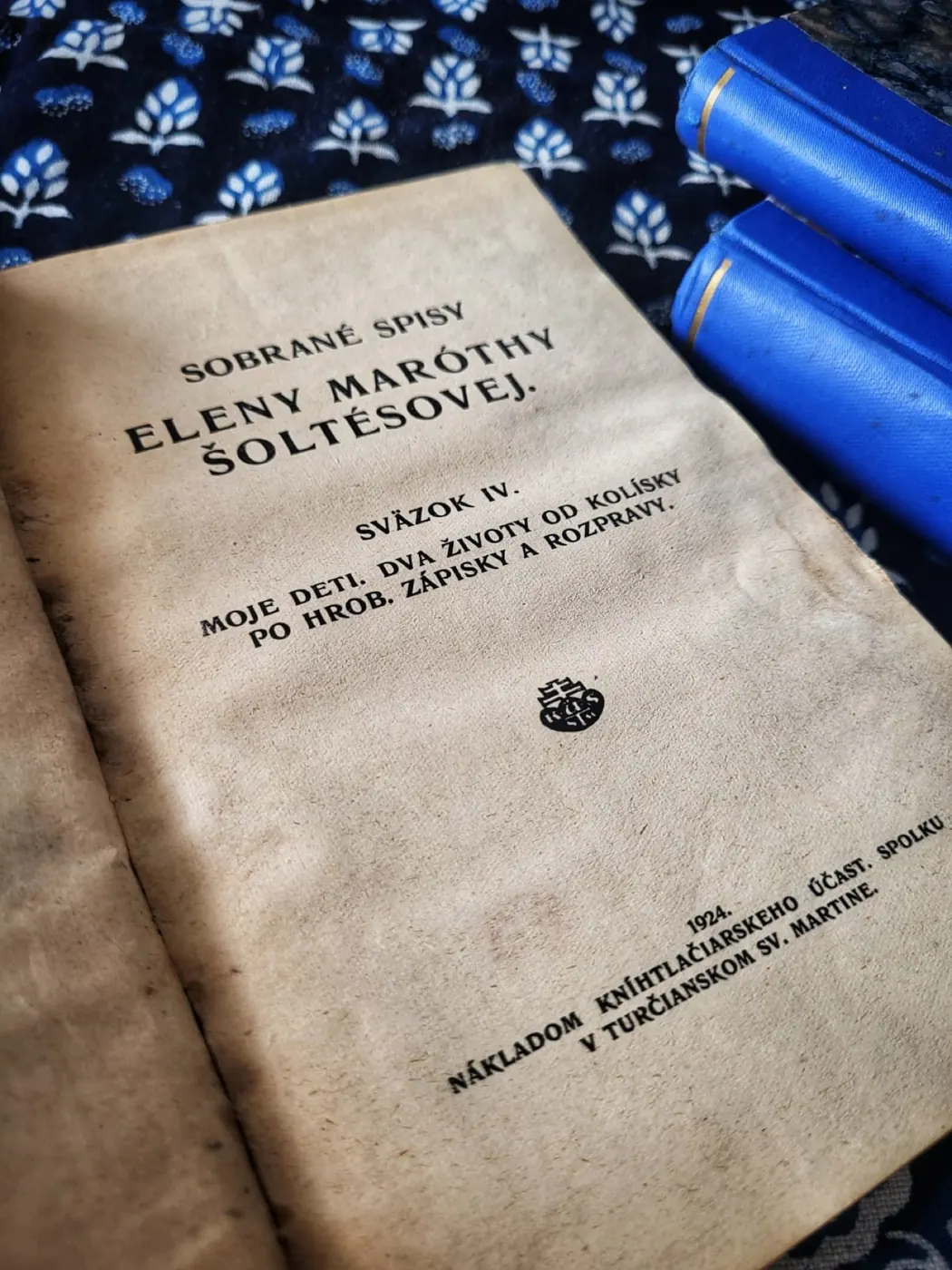
Sobrané spisy Eleny Maróthy Šoltésovej, vydané nákladom kníhtlačiarskeho účast. spolku v Turčianskom Sv. Martine, 1924

Publishing activities

Lipa expanded into book publishing, offering collected works of Slovak women writers including Vansová, Timrava, Podjavorinská and Šoltésová to Živena subscribers at a reduced price.

Work and dignity for women.

Lipa was not just a shop selling embroideries. From the very start it had a clear social goal: to give women in the villages work and fair pay for it.

Materials for embroidering, bobbin lace-making and sewing were sent directly to the makers at home. A village woman could earn without leaving her household or depending on a chance buyer. The makers came from the Bratislava, Nitra, Zvolen, Hont and Trenčín counties.

Nurturing those contacts and maintaining quality was the work of the management, above all Anna Šenšelová, who travelled the length and breadth of Slovakia month after month. She held firm to traditional folk patterns and steadily resisted the pressure of cheap fashionable ornaments. Without that quiet, unglamorous, day-in-day-out work, Lipa would have lost its artistic soul.

What this meant in practice

  • The embroiderers received regular pay directly, with no middlemen and no underselling.
  • Materials were sent directly to the makers. The work could be done at home, with no need to move to the city.
  • Anna Šenšelová actively built a network of makers across Slovakia, travelling in person to map each region.
  • A tailoring workshop was set up, where the embroideries were incorporated into finished garments.

This was not charity. It was a considered business strategy that made sense for both sides: the makers got an income, Lipa got its goods. That logic is what we would today call social enterprise.

The history of Lipa.

A survey of the key moments from the founding decision in 1909 to the entry into liquidation in 1951.

1909

The founding decision

At the Živena general assembly in Martin, the decision was taken to establish a joint-stock company supporting Slovak folk industry. In December the prospectus appeared, stating its aims: brokering the sale of goods, organising production and promoting folk art both at home and abroad.

1910

The founding general assembly

Elena Maróthy-Šoltésová became director, Anna Šenšelová bookkeeper and secretary, Fedor Jesenský treasurer. Women dominated both the leadership and the shareholder list. Lipa immediately began seeking out embroiderers; the first goods were already on sale by November of that year.

1911

The first season and expanding the network

The first season's results were strong enough that the general assembly approved doubling the initial capital. The network of makers grew; materials went directly to women at home from the Bratislava, Nitra, Zvolen, Hont and Trenčín counties.

1912

Exhibition awards and taking over Živena

Silver medals at exhibitions in Košice and Miskolc. When the Živena magazine ran into financial difficulties and the publisher considered closing it, Lipa bought it, and the Slovak women's journal survived.

1913

Exhibitions in Austria and Bohemia, cooperation with Czech firms

At an exhibition in Vienna, Archduke Leopold Salvator expressed his admiration for Slovak folk craft. Lipa concluded a trade agreement with a firm from Vamberk: it sold Czech bobbin lace and in return spread Slovak embroideries into Bohemia.

1914 – 1918

First World War

Sales fell and the producer networks were disrupted. Despite this, Lipa did not stop working, and paradoxically in 1916 and 1917 it reached the highest turnover in its history. Wartime demand for handmade goods rose unexpectedly.

1918 – 1923

Postwar recovery and new branches

The postwar boom benefited Lipa; for the first and only time it paid dividends to shareholders. A design studio was set up and branches opened in Trenčín and Piešťany. In 1923 Lipa returned the Živena magazine to the Živena society.

1920

First state subsidy

After ten years without any state support, Lipa received its first subsidy from the Ministry of Education and National Enlightenment, partly for establishing a fur-craft school in Mošovce. Regular contributions followed between 1930 and 1940.

1925 – 1938

Economic depression, sales campaigns, Bratislava

The depression and growing competition hit Lipa hard. It focused on sales campaigns and pre-Christmas bazaars across Slovak towns. In 1927 it opened a permanent shop in the Tatrabanka building in Bratislava, which ran until 1938.

1939 – 1945

Second World War

The passage of the front meant a temporary halt to activity. Shortly after liberation Lipa resumed work and continued until 1951.

1951

Entry into liquidation

Act No. 243 of 17 November 1949 on joint-stock companies required all such entities to apply for state authorisation and approval of their statutes. Under § 17(b) of that act, companies that failed to apply, or were refused authorisation, were dissolved by administrative order on grounds of "public interest". Lipa fell into this category, and in 1951 it entered liquidation. Forty years of history came to a close. An institution that had survived two wars, spread Slovak embroideries under a Slovak name, and preserved the authenticity of folk patterns was dissolved not through economic failure but by decision of the incoming communist state.

Slovak distinctiveness.

"The patterns are almost all Slovak, and the work is so precise that one can only marvel at the delicacy and grace of our Slovak embroiderers."
— from Lipa promotional material, 1911

Behind Lipa stood not only commercial interest. Behind it stood a cultural programme: to preserve Slovak folk art as it truly was, and to carry it out into the world not as a folkloric curiosity but as something living and modern.

At the heart of that programme was the systematic collection of old and traditional patterns directly from the regions. Anna Šenšelová went from village to village recording original ornamental motifs, making sure that genuinely authentic designs, not fashionable improvisations, were the ones passed on. From these designs came goods made for modern households: children's garments, cushions, tablecloths and decorative cloths, embroidered collars, national shirts, leather sheepskin coats adorned with folk ornament. Lipa also embroidered flags and banners for associations and institutions. In this way folk embroidery was not preserved like a specimen in a museum, but carried as a living tradition into the urban world. That is precisely what saved it from being forgotten.

Embroiderers naturally tended to reach for patterns from fashion magazines. Lipa systematically resisted that pull, insisting on traditional folk ornaments, what it called the noble original motifs, and turning away the cheap commercial designs pushed by traders. Quiet, daily, unglamorous work, but essential.

Lipa built its reputation abroad too. Its work was covered by the Czech press and the Viennese fashion magazine Wiener Mode. Czech-Slovak cultural exchange ran in both directions: Slovak embroideries went to Bohemia, Czech bobbin lace came to Slovakia.

After 1918 institutional protection was added. A government commission led by architect Dušan Jurkovič also addressed the problem of other societies that had for years been buying folk goods for next to nothing. A ministerial directive in 1919 ordered regional governors to act against such practices.

Lipa belongs to the svojráz movement, the cultural drive for a distinctly modern Slovak identity, but at the same time to real economic history: it was a company that paid wages and produced results. Both at once.

Sources: Zora Valentová, Lipa. Remeslo, umenie, dizajn, 2010, č. 3 (based on: Ján Okrucký, Archív ÚĽUV-u, 1956). Michal Kalavský, Zborník SNM XCIV – 2000. Karol Hollý, Ženská emancipácia. Diskurz slovenského národného hnutia na prelome 19. a 20. storočia. Libuša Jaďuďová, Ľudová umelecká výroba ako súčasť kultúrneho dedičstva, 2019.

Legacy

The legacy of Lipa.

Lipa operated for forty years, through two wars, an economic crisis, inflationary shocks and political upheaval. It never had it easy. And yet it endured, until the communist nationalisation law of 1948 brought it to a close. Act No. 243/1949 on joint-stock companies required all such entities to seek state authorisation; those refused were dissolved by administrative order on grounds of "public interest". Lipa did not fail. It was brought to an end by a political decision of the incoming communist regime.

Behind it all lies something simple and yet rare: women who decided that Slovak embroideries deserved more than being sold door to door for next to nothing. That it was possible to sell with pride, under their own name, at a fair price.

Embroiderers from Hont, Zvolen, Nitra, and the Bratislava county received a regular wage. For many village women who had mastered the traditional techniques of embroidery and lace-making, this was a profound change: a skill they had previously practised only for their own family, or traded for a token sum with itinerant merchants, became a source of steady, dignified income. Šenšelová travelled from village to village, month after month, keeping the patterns true and making sure the women were paid fairly for their work. Živena survived because Lipa bought it when it was needed. An archduke in Austria expressed his admiration. Fashion magazines in Vienna took notice.

All of this together is Lipa. Not a museum but a business. Not folklore but a living culture. A story that, in Slovak history, has still not received the recognition it deserves.

The following links take you to embroidered products by Lipa held in the Slovakiana digital archive, where you can see beautifully how traditional folk patterns were carried over into modern, elegant pieces of clothing for women and children.